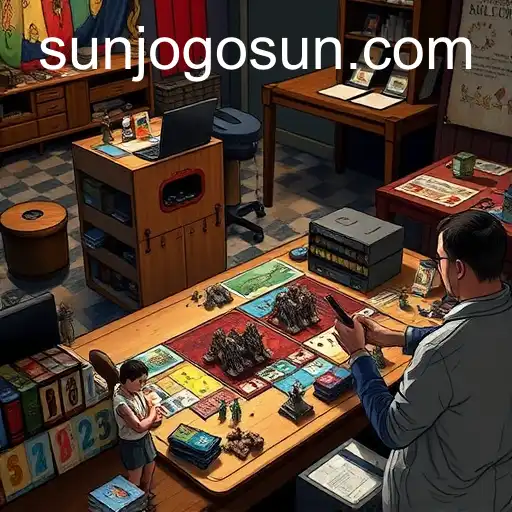
Exploring the World of Tabletop Games
Tabletop games have captivated people across generations, providing an escape from the mundane into worlds of strategy, fantasy, and camaraderie. These games range from classic board games, card games, to more intricate role-playing ventures. Within this expansive genre, enthusiasts gather to engage in competitive play, cooperative missions, and storytelling adventures.
The Evolution of Tabletop Games
The history of tabletop games is rich and varied, with origins tracing back to ancient civilizations. The earliest known board game, Senet, was played in Egypt over 5000 years ago. Fast forward to the present, the industry has seen remarkable innovation. The advent of complex board games like Settlers of Catan or fantasy role-playing games such as Dungeons & Dragons showcases how far these recreations have progressed.
Tabletop games have evolved not just in terms of complexity but also in their themes and formats. From historical battles, fantastical realms, to mundane yet fascinating farming scenarios, the themes available are endless. This evolution has made tabletop gaming more inclusive, appealing to a broad spectrum of audiences.
Strategic Depth and Social Interactions
One of the significant aspects of tabletop games is the strategic depth they offer. Unlike digital games, these require players to engage deeply with rules and mechanics. This strategic complexity has contributed to their enduring popularity. Players must adapt their tactics, anticipate opponent moves, and often cooperate, fostering a sense of strategic thinking and adaptability.
Moreover, tabletop games encourage social interaction, a feature that sets them apart in a digitally-dominated world. Whether it’s around the kitchen table with family, at a convention with enthusiasts, or in local gaming stores for casual meet-ups, these games naturally bring people together, forging friendships and community bonds.
Sunjogo PH Login: Gateway to Gaming Communities
In the digital era, the digital integration of tabletop gaming has further expanded its reach. Platforms like Sunjogo PH offer a unique point-of-access for enthusiasts eager to explore new games and join vibrant communities. Through Sunjogo PH Login, users can connect with other players and explore an extensive library of games and resources.
For many, Sunjogo PH Login is not just an entry into gaming, but a gateway to vibrant communities and forums where experiences, strategies, and stories about tabletop games are shared. This digital integration allows for an ongoing dialogue among gamers, facilitating the growth and evolution of tabletop traditions in the online world.
Impact on Cognitive Skills and Creativity
Tabletop games also contribute significantly to cognitive development and creativity among players. Games like chess enhance logical reasoning and problem-solving skills. Role-playing games, on the other hand, inspire creativity as players immerse themselves in character roles and storylines. These games provide mental exercises, improving memory, critical thinking, and decision-making skills.
The Appeal of Role-Playing Games
Among the wide array of tabletop games, role-playing games (RPGs) hold a special place. Games like Dungeons & Dragons push players to step into elaborate worlds, allowing for unparalleled creative expression. Here, players embody characters who quest through mythical landscapes, tackling challenges crafted by game masters.
RPGs are less about competition and more about cooperation and storytelling. This genre pushes the boundaries of imagination, enabling players to create narratives limited only by their creativity. With rich backgrounds, evolving plotlines, and character development, these games provide an engaging pursuit for those seeking immersive experiences.
The Cultural Impact of Tabletop Gaming
The influence of tabletop games stretches beyond the games themselves, impacting popular culture, literature, and even films. Many modern video game designs draw inspiration from classic tabletop mechanics. This cross-pollination has enriched both industries, fostering creativity and innovation.
Moreover, tabletop games have been instrumental in highlighting diverse narratives and inclusivity. Game designers have embraced varied cultural themes, offering players opportunities to explore different perspectives and stories. This cultural embrace has made tabletop gaming a powerful tool for education and empathy across cultures.
The Future of Tabletop Games
Looking ahead, the future of tabletop games appears promising. With advancements in technology, hybrid formats combining physical components and digital interfaces are emerging. Augmented reality (AR) is being explored to create immersive gaming experiences that blend real-world interaction with digital enhancement.
The continued rise of online platforms, community forums, and resources such as Sunjogo PH Login further ensures that tabletop gaming remains accessible and appealing. This digital presence has been crucial during times when physical gatherings are limited, allowing communities to thrive and grow.
Conclusion
Tabletop games have secured their timeless appeal through a combination of strategic challenge, social interaction, and creative exploration. As the industry continues to evolve, the synthesis of tradition and innovation promises even greater experiences for future generations of gamers. Whether through classic board games or digitally-enhanced adventures, the world of tabletop games remains a rich and captivating domain.